


National Microscopists Prepare for WHO Certification in Malaria Diagnosis.
The Ministry of Health and Health Infrastructure, through the National Malaria Control Program (PNLP), continues to strengthen national capacity for malaria diagnosis.
1 min read

The Ministry of Health and Health Infrastructure, through the National Malaria Control Program (PNLP), continues to strengthen national capacities for malaria diagnosis by preparing laboratory professionals for the World Health Organization (WHO) certification assessment.
From October 19 to 30, microscopists from Bioko, Bata, and Mongomo are participating in an intensive training program to update and strengthen their skills in the microscopic diagnosis of malaria. This training precedes the evaluation scheduled as part of the WHO certification process.
The training, facilitated by WHO consultant Amadou Alpha Diallo, combines theoretical and practical sessions focused on reading and diagnosing slides, identifying the different Plasmodium species responsible for malaria, and applying microscopic diagnostic procedures in accordance with international standards.
This activity builds on previous training conducted at the Baney Public Health Laboratory, where 19 laboratory professionals from various health centers across the country strengthened their knowledge and technical skills.
The process is led by the PNLP, with technical support from MCD Global Health, and represents an important step toward strengthening national diagnostic capabilities. For the first time, the various stages of preparation and evaluation associated with this microscopist certification process are taking place in Equatorial Guinea.
Strengthening a national network of highly qualified microscopists will improve the quality and reliability of malaria diagnosis, an essential component of epidemiological surveillance, appropriate case management, and data-driven decision-making.
This initiative is part of the priorities of Equatorial Guinea’s Malaria Elimination Plan – Vision 2030, which identifies the strengthening of diagnostic, surveillance, and national capacities as fundamental pillars for advancing toward the elimination of the disease in the country.
Related news
Public Health •
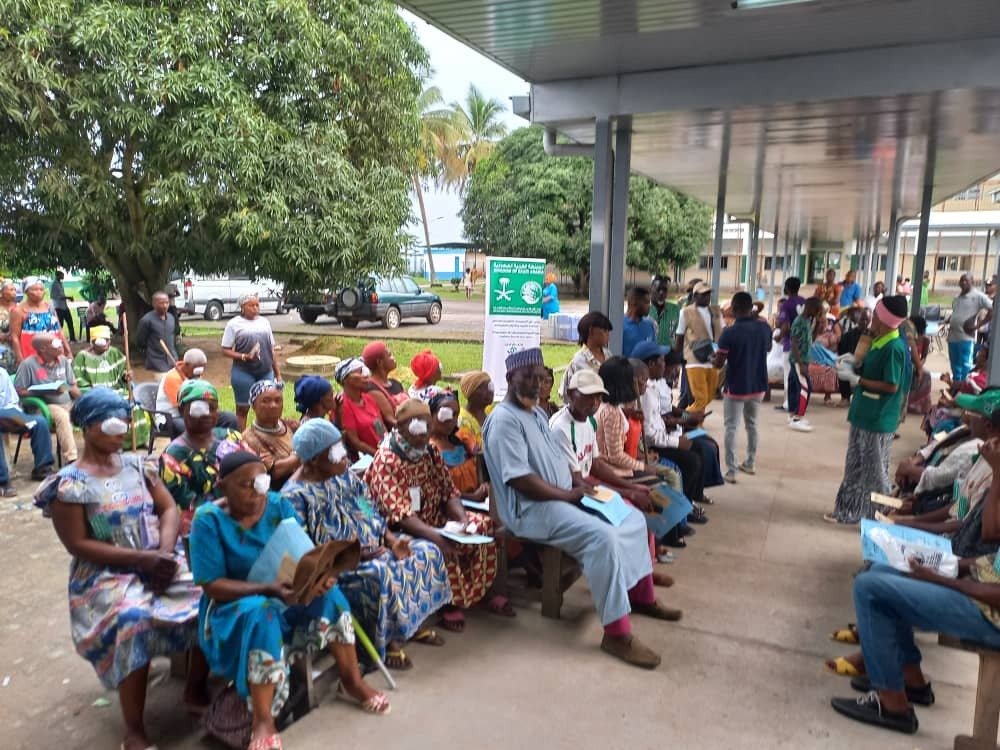
New free cataract surgery campaign in Equatorial Guinea.
The Ministry of Health and Health Infrastructure, in collaboration with the Al Basar International Foundation, announces a new campaign offering free cataract surgeries, which will take place from November 21 to December 3 at the Dr. Damián Epitie Monanga University Hospital in Bata.
Public Health •
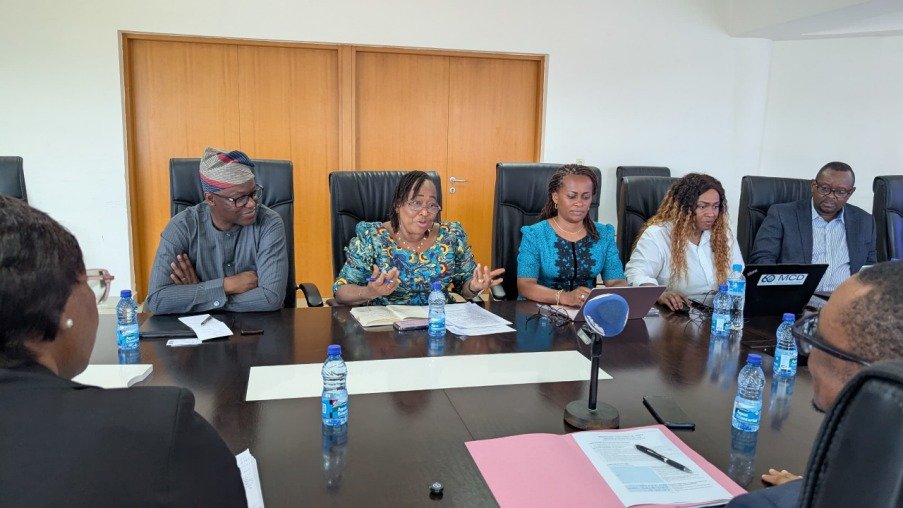
RBM y ALMA refuerzan su apoyo a Guinea Ecuatorial en la Eliminación del Paludismo-Visión 2030.
On Monday, the Ministry of Health and Health Infrastructure welcomed a high-level delegation from the RBM Partnership to End Malaria and the African Leaders Against Malaria Alliance (ALMA).
Public Health •
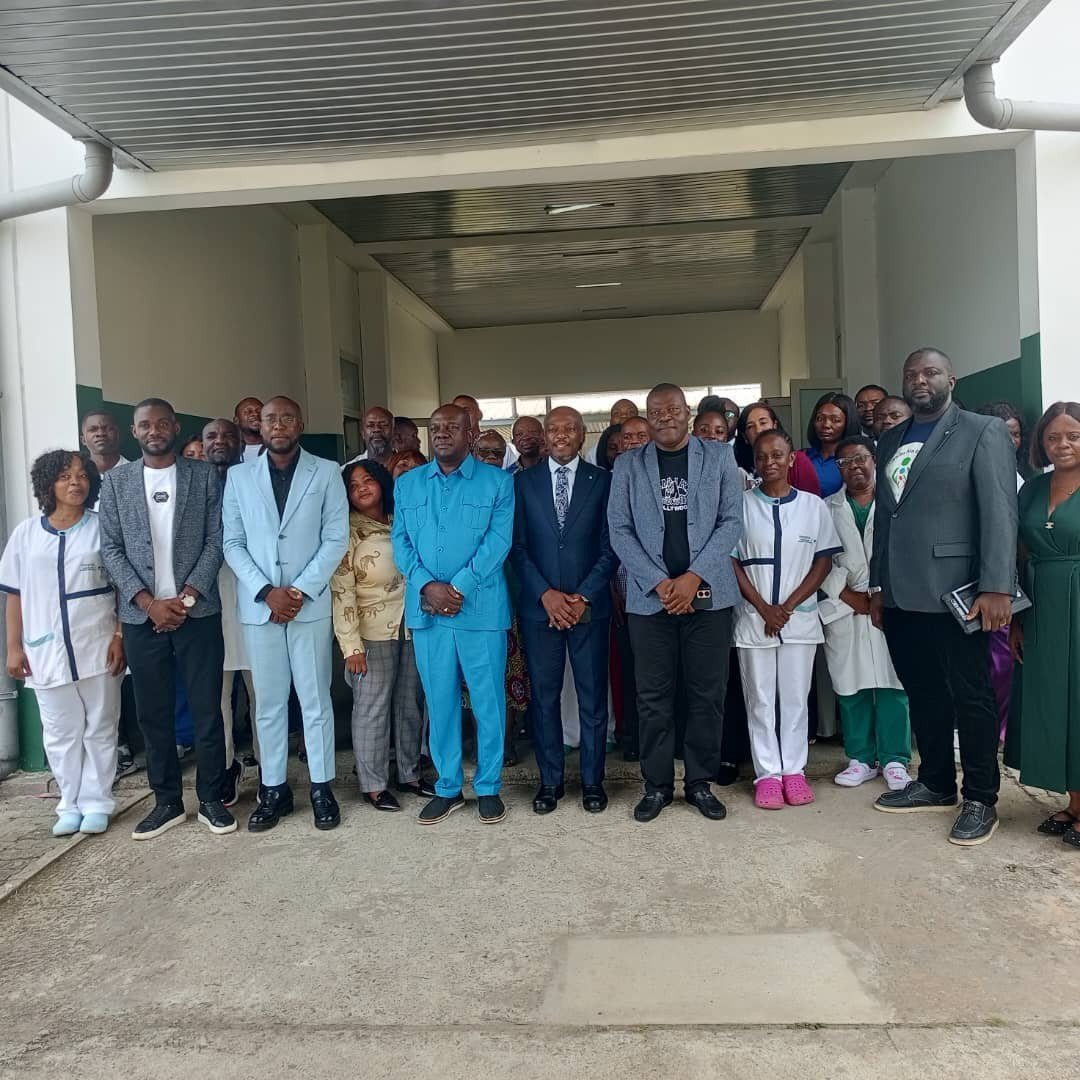
The Ministry of Health is strengthening nursing services as part of the urgent hospital improvement plan.
The Ministry of Health and Health Infrastructure, through the National Nursing Directorate, has launched a training workshop in Bata on…